Sauna buying guide · 7 min read
Infrared vs. traditional sauna: how to choose
Temperature, feel, power needs, space and upkeep. A plain-English comparison to help you pick the right type of home sauna.
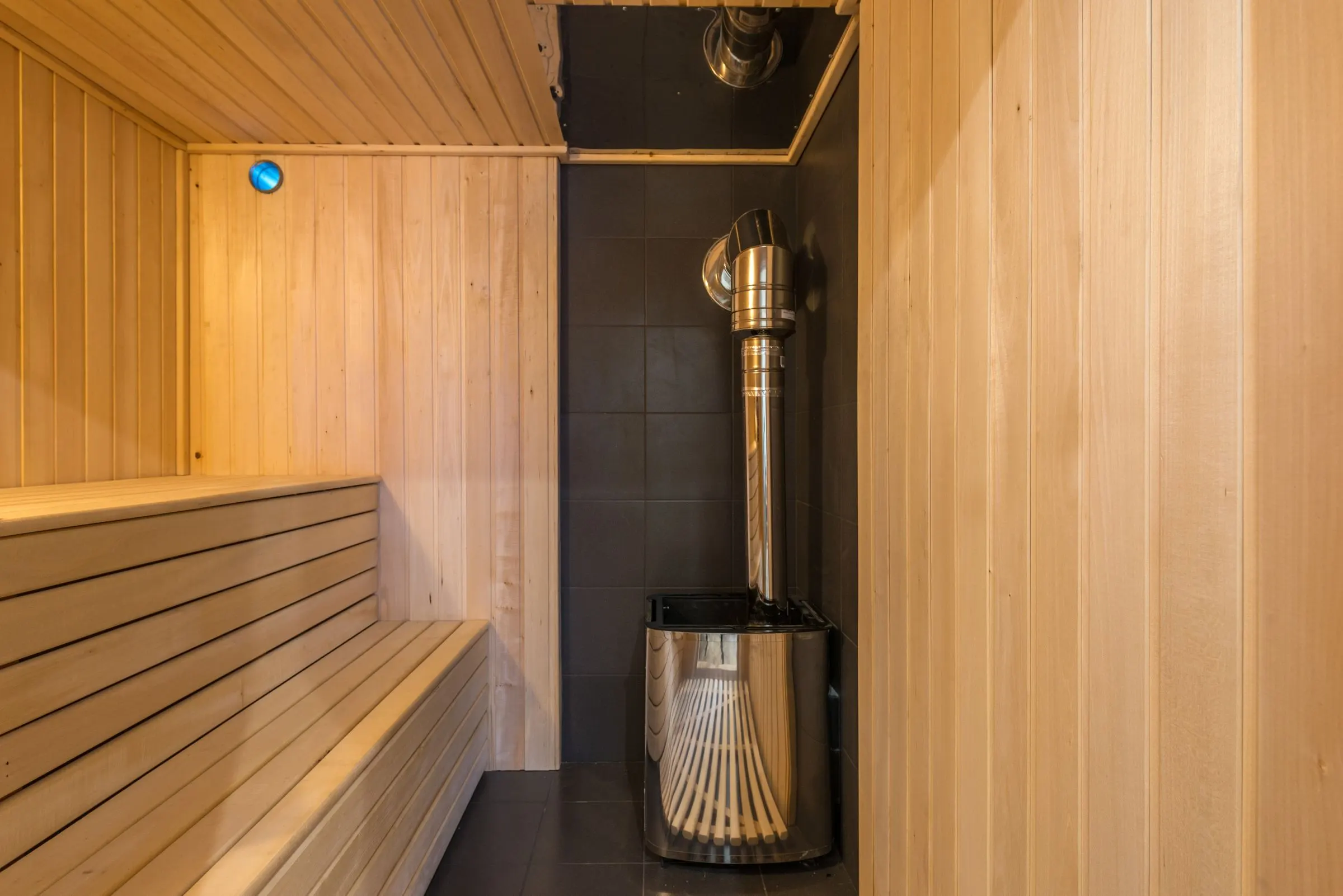
Both kinds of sauna leave you warm, relaxed and pleasantly spent, but they get there in different ways. Choosing well comes down to how you like heat to feel, where the sauna will live, and what your electrical panel can support.
How each one heats you
A traditional (Finnish-style) sauna uses an electric or wood-burning heater, usually topped with stones, to heat the air in the room. You can ladle water on the stones to make a burst of steam, called löyly, which makes the room feel hotter and more humid. Air temperatures typically run around 150–195°F.
An infrared sauna uses panels that give off infrared light, which warms your body more directly than the surrounding air. The room stays cooler, typically around 110–150°F, and the heat feels gentler and drier. People who find a hot, steamy room hard to breathe in often prefer infrared.
Side-by-side
| Traditional | Infrared | |
|---|---|---|
| Typical air temperature | ~150–195°F | ~110–150°F |
| Feel | Enveloping heat, optional steam | Gentle, dry, radiant warmth |
| Warm-up time | Often 30–45 minutes | Often 10–20 minutes |
| Power (typical) | Dedicated 240V circuit for most electric heaters | Many 1–2 person models run on 120V; larger ones may need 240V |
| Steam / water on stones | Yes | No (water would damage the emitters) |
| Best for | Sauna purists, social sessions, outdoor builds | Indoor spaces, shorter sessions, lower heat tolerance |
Ranges are typical, not guarantees. Always go by the specific manufacturer’s published specifications.
Questions that usually decide it
1. What does your electrical panel allow?
This is the most common deal-breaker. Most electric traditional heaters need a dedicated 240V circuit, and many compact infrared units plug into a standard 120V outlet on a dedicated circuit. Before you buy, check the exact voltage and amperage on the spec sheet and have a licensed electrician confirm your panel has room. Our planning checklist covers what to ask.
2. Indoors or outdoors?
Indoor infrared cabins fit naturally in a basement, spare room or large primary bath. Outdoor saunas, often barrel or cabin styles, are usually traditional and need a level, well-drained base such as a concrete pad, pavers or a deck rated for the load.
3. How many people, and how often?
Buy for the number of people who will actually use it at the same time. A cabin that is too big for a small heater warms slowly, and one that is too small gets used less. If you plan on daily use, a fast warm-up counts for a lot.
4. How do you want it to feel?
If you love steam and intense heat, go traditional. If you want to read a book, listen to a podcast and walk out feeling calm rather than cooked, infrared is often the better fit.
What to look for in any sauna
- Wood: Canadian hemlock, cedar and spruce are common. Look for kiln-dried, knot-free benches that stay comfortable to touch.
- Certifications: electrical safety listings (such as ETL or UL) on the heater or the complete unit.
- Warranty: read what is covered (cabinet, heater, electronics) and for how long, and who handles claims.
- Assembly: many indoor cabins are panel-built and go together in a few hours with two people. Outdoor builds take longer.
- Delivery: large saunas usually ship by freight on a pallet with curbside delivery. Plan how you will get it to its spot.
Not sure yet? Ask us.
Tell us about your space, your panel and how you would use it, and we will reply with options that fit. There is no charge and no pressure. Book a free consultation →